
Practice Areas
Houston Living Trust Attorney
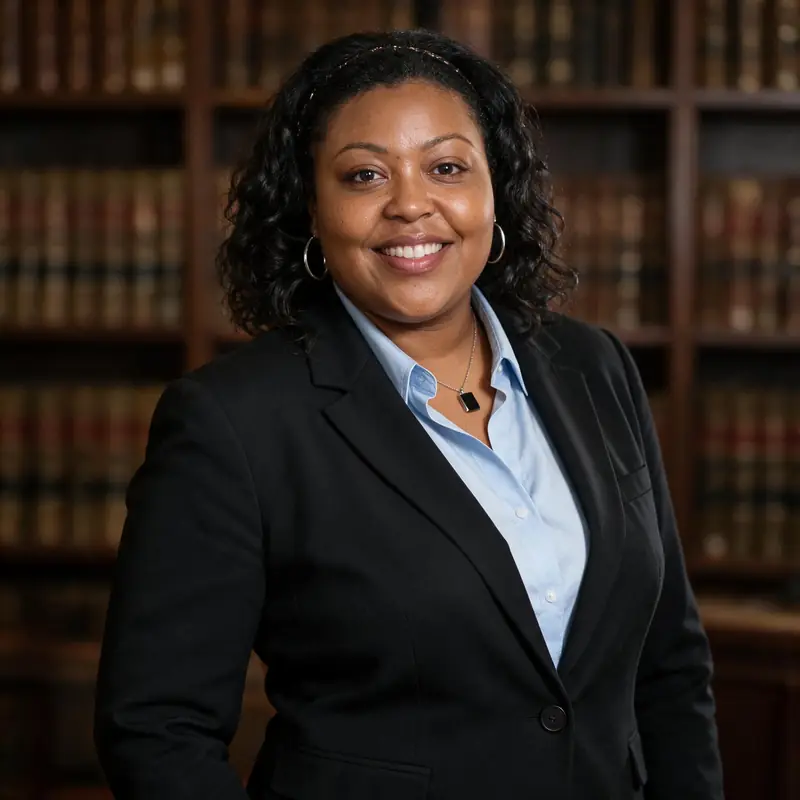
A living trust lets you decide who manages your property if you cannot, and who receives it after you are gone. Attorney Pamela Gordon helps Houston families set one up, fund it and keep it current.
A living trust is a trust you create during your lifetime. You sign written terms, move property into it and name who manages it and who receives it. Under Texas law you can keep the right to change or cancel it, so it stays yours to control for as long as you are able.
The reasons to consider one are practical. You want someone you trust to be able to step in if you get sick, and you want the house to go where you intend. Gordon Law & Associates works with individuals and families in Houston to set that up in plain terms.
What a living trust can do for your family
- Plan for incapacity. If you cannot manage your affairs, your successor trustee can manage what is in the trust under the terms you wrote.
- Pass property under your own terms. Property in the trust follows the trust document rather than a will. Our guide to a living trust or a will in Texas explains the difference.
- Stay flexible. Texas law lets you revoke or amend a revocable trust in writing. See can you change or cancel a living trust.
- Protect the home. A properly set up trust can keep your Texas homestead exemption. Read keeping your homestead exemption.
Why the real estate side matters
For many families the house is the largest thing going into the trust, and a trust that holds a house is only as good as the deed that put it there. Attorney Pamela Gordon’s practice focuses on real estate law, complex title issues and estate planning with an emphasis on trusts, so the trust and the deed get looked at together.
If the house is the only asset you are thinking about, a transfer on death deed may be worth comparing. Sometimes the simpler document is the better answer, and you should hear that up front.
What a living trust does not do
A trust does not cover property you never moved into it, and it does not let anyone make medical decisions for you. Most plans pair it with a will and with the durable and medical powers of attorney. Together those documents are the core of an estate plan.
Already named as trustee of someone else’s trust? That is a different job. See trust administration and our guide to becoming a successor trustee.
Start with a free consultation
Call (713) 837-7875 for a free consultation with attorney Pamela Gordon, or contact the firm. Service is available in English and Spanish.
- Drafting the trust
Written terms that name your trustee, your successor trustee and the people who receive your property, tailored to your family.
- Funding the trust
A trust only controls property that is actually moved into it. For a house, that means a deed recorded in the county's real property records.
- The documents that go with it
A will, durable power of attorney, medical power of attorney and advance directive, prepared to work together as one plan.
- Keeping it current
Review after a marriage, divorce, new child, death in the family, significant change in assets or a move to another state.
FAQ
Houston Living Trust Attorney Questions
Still have questions? Call for a free consultation.
Can I change my living trust later?
Usually, yes. Under Texas Property Code Sec. 112.051, a settlor may revoke a trust unless it is irrevocable by its express terms, and may modify or amend a revocable trust. If the trust was created by a written instrument, the change must also be in writing.
Will moving my home into a trust cost me my homestead exemption?
It does not have to. Texas Tax Code Sec. 11.13(j) treats a home owned through a beneficial interest in a qualifying trust as a residence homestead. The trust needs the right occupancy language and the deed has to be recorded, so both are worth checking before you sign.
Do I still need a will if I have a living trust?
Most people should have one. A trust controls only the property moved into it, so a short will can catch anything left out. A trust also does not cover medical decisions, which is why a plan usually includes powers of attorney as well.
Who manages the trust if I cannot?
The successor trustee you name in the trust document. Texas law requires a trustee to administer the trust in good faith according to its terms, so choosing that person carefully is one of the most important decisions in the plan.
Is a living trust only for wealthy families?
No. Estate planning is not only for people with substantial wealth. For many Houston families, the question is simply who will handle the house and the accounts, and who receives them, without leaving the family to work it out.
Get In Touch
Ready to Get Started?
A living trust lets you decide who manages your property if you cannot, and who receives it after you are gone. Attorney Pamela Gordon helps Houston families set one up, fund it and keep it current.