Practice Areas
Houston Estate Planning Attorney
Personalized guidance for wills, trusts, powers of attorney, healthcare directives and other documents designed to protect your family, assets and future.
Estate planning gives you greater control over how your affairs are handled during your lifetime and how your property is distributed after your passing. A thoughtful plan can also help the people you trust make important financial and healthcare decisions if you become unable to do so yourself.
Gordon Law & Associates works with individuals and families to create estate plans tailored to their circumstances, priorities and long-term goals. Depending on your needs, your plan may include wills, trusts, financial powers of attorney, medical powers of attorney, advance directives and other important documents.
Where to start
If you are comparing your options, these guides are a good first read:
- Living trust or will in Texas: what each one does, and what makes a will valid.
- Transfer on death deed or living trust: two ways to pass a Texas home.
- The durable power of attorney that goes with a living trust: who handles what the trust does not.
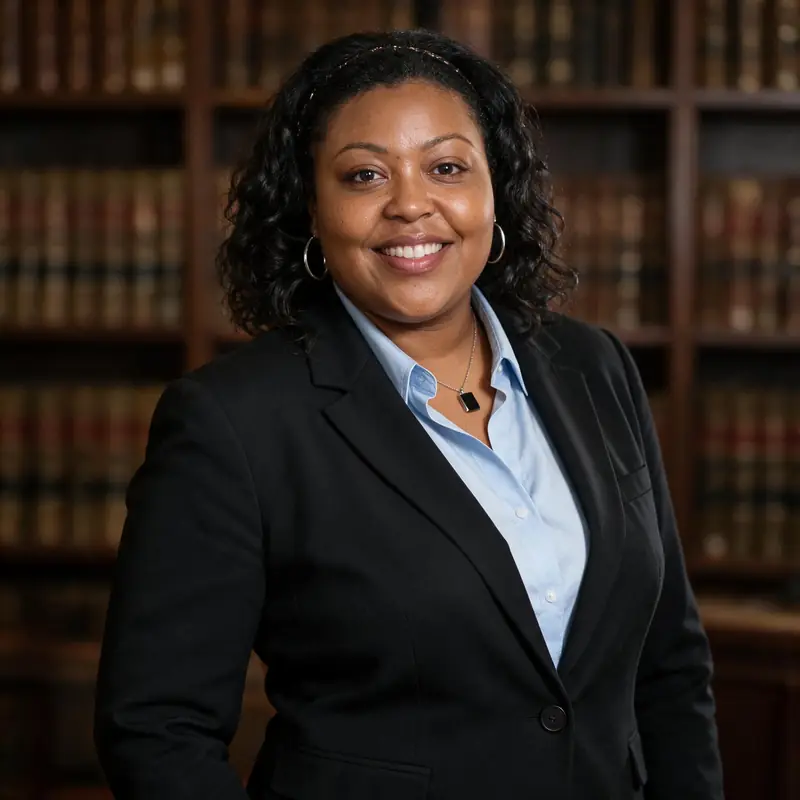
Many plans center on a living trust. Attorney Pamela Gordon’s practice emphasizes trusts, and her real estate work means the deed gets the same attention as the trust document.
Call (713) 837-7875 for a free consultation, or contact the firm.
- Wills and trusts
Documents that say who receives your property and who handles it. Depending on your needs, that may be a will, a living trust or both.
- Powers of attorney
Financial and medical powers of attorney, so the people you trust can make decisions if you cannot.
- Advance directives
Written instructions about your healthcare, prepared to work with the rest of your plan.
- Reviewing an older plan
Whether you are creating your first plan or reviewing documents prepared years ago, including beneficiary designations.
FAQ
Houston Estate Planning Attorney Questions
Still have questions? Call for a free consultation.
Do I need an estate plan if I do not consider myself wealthy?
Estate planning is not only for people with substantial wealth. It can help clarify who should receive your property, who may make financial or healthcare decisions for you, and how your family should handle important matters if you become incapacitated or pass away.
What documents are commonly included in an estate plan?
Depending on your situation, an estate plan may include a will, trust, durable power of attorney, medical power of attorney, advance directive and beneficiary-designation review. The appropriate documents depend on your assets, family structure and objectives.
What happens if I die without a will in Texas?
When someone dies without a valid will, Texas intestacy laws generally determine who inherits the estate. The result may not match the person's preferences, particularly when there are children, blended families, unmarried partners or complicated assets.
How often should I update my estate plan?
It is sensible to review your plan after major life events such as marriage, divorce, the birth or adoption of a child, a death in the family, a significant change in assets or a move to another state. Changes in relationships and beneficiary designations may also warrant an update.
Can I prepare estate-planning documents myself?
Online forms may not account for your specific family structure, property or goals. Documents must also satisfy applicable legal requirements. An attorney can help identify potential gaps, explain your options and prepare documents intended to work together as a complete plan.
Get In Touch
Ready to Get Started?
Personalized guidance for wills, trusts, powers of attorney, healthcare directives and other documents designed to protect your family, assets and future.