
Blog
Keeping Your Homestead Exemption After Moving Your Houston Home Into a Living Trust
A Texas home held in a qualifying trust can stay a residence homestead. Here is what Tax Code Sec. 11.13(j) requires of the trust, the deed and who lives there.
Quick answer: You can keep your Texas homestead exemption after moving your Houston home into a living trust, as long as the trust is a “qualifying trust” under Texas Tax Code Sec. 11.13(j). The trust or a related instrument has to give the trustor or a beneficiary the right to use and occupy the home as a principal residence, rent free. The trust has to acquire the home through an instrument of title that identifies the property and is recorded in the county’s real property records. And a trustor or beneficiary who qualifies for the exemption has to live there. Most of the risk sits in the wording, so check it before you sign the deed.
What does Texas law say about homesteads held in a trust?
Tax Code Sec. 11.13(j) defines a residence homestead. Among other things, the home must be owned by one or more individuals, “either directly or through a beneficial interest in a qualifying trust.” It must also be designed or adapted for human residence, used as a residence, and occupied as a principal residence.
So the Tax Code anticipates homes held in trust. Moving your house into a living trust does not end the exemption by itself. But the statute only protects a trust that fits its definition, which means a generic form may or may not get you there.
What makes a trust a “qualifying trust”?
There are two parts, and both have to be met.
The occupancy right. The agreement, will or court order creating the trust, an instrument transferring property to it, or another agreement binding on the trustee must provide that the trustor or a beneficiary has the right to use and occupy the home as a principal residence, rent free and without charge except for taxes and other costs and expenses specified in the instrument or order. That right must last:
- for life;
- for the lesser of life or a term of years; or
- until the trust is revoked or terminated by an instrument or court order that describes the property with sufficient certainty to identify it and is recorded in the real property records of the county where the property is located.
The title. The trust must acquire the property in an instrument of title or under a court order that describes the property with sufficient certainty to identify it and the interest acquired, and that is recorded in the real property records of the county where the property is located.
Where does the deed get recorded in Houston?
In the real property records of the county where the home sits. For most of Houston that is Harris County, but the city also reaches into neighboring counties, so check where your property actually is rather than assuming.
An unrecorded deed does not meet the statute. Neither does a description so thin that nobody can identify the property. Copying the legal description from your existing deed is the usual starting point, and errors in that description are the kind of thing a title review should catch. If your title history already has a problem, see title and foreclosure matters.
Who has to live in the home?
For property held through a qualifying trust, the home must be occupied as the principal residence by “a trustor or beneficiary of the trust who qualifies for the exemption.”
The statute defines a trustor as a person who transfers an interest in real or personal property to a qualifying trust, whether during the person’s lifetime or at death, or that person’s spouse. So if you deed your home into your own trust and keep living there, you are in the category the statute describes. If an adult child moves in and you move out, the analysis changes, and you should ask before anything else happens.
What about the over-65 or disabled tax ceiling?
The Tax Code addresses this too. Under Sec. 11.26(f), the limit on school tax increases for elderly or disabled homeowners does not expire because the owner conveys an interest to a qualifying trust, if the owner or the owner’s spouse is a trustor of the trust and is entitled to occupy the structure. Sec. 11.261(f) says the same for the county, municipal or junior college district limitation.
If you are 65 or older, or disabled, this is worth confirming before the deed is signed.
What should you check before you sign the deed?
| Item | What the statute looks for | What to check |
|---|---|---|
| Occupancy language | Right to use and occupy as a principal residence, rent free | The exact words in your trust or deed |
| Length of the right | For life, lesser of life or a term of years, or until revoked or terminated | That your document says one of these |
| Property description | Sufficient certainty to identify it and the interest acquired | Legal description matches your current deed |
| Recording | Recorded in the county’s real property records | The deed was recorded, and in the right county |
| Who lives there | A trustor or beneficiary who qualifies | The person living there fits the definition |
A few things sit outside Sec. 11.13(j) but still belong on your list:
- Your appraisal district. The statute does not say what paperwork the district wants after the deed is recorded. Call the appraisal district for your county and ask.
- Your mortgage. If there is a loan on the house, find out what your lender’s documents say about a transfer.
- Your title and homeowner’s policies. Ask how a transfer into a trust affects them.
What if the home might not be the only asset?
Then the trust is doing more than holding a house, and you should plan for the rest of it. Read about a living trust or a will in Texas and the durable power of attorney that goes with a living trust. If the house really is the only concern, a transfer on death deed may do the job, and the Estates Code says it does not affect your homestead rights or tax exemptions during your life.
Your trust can also change later. See can you change or cancel a living trust for how that works.
Why work with Gordon Law & Associates on your home
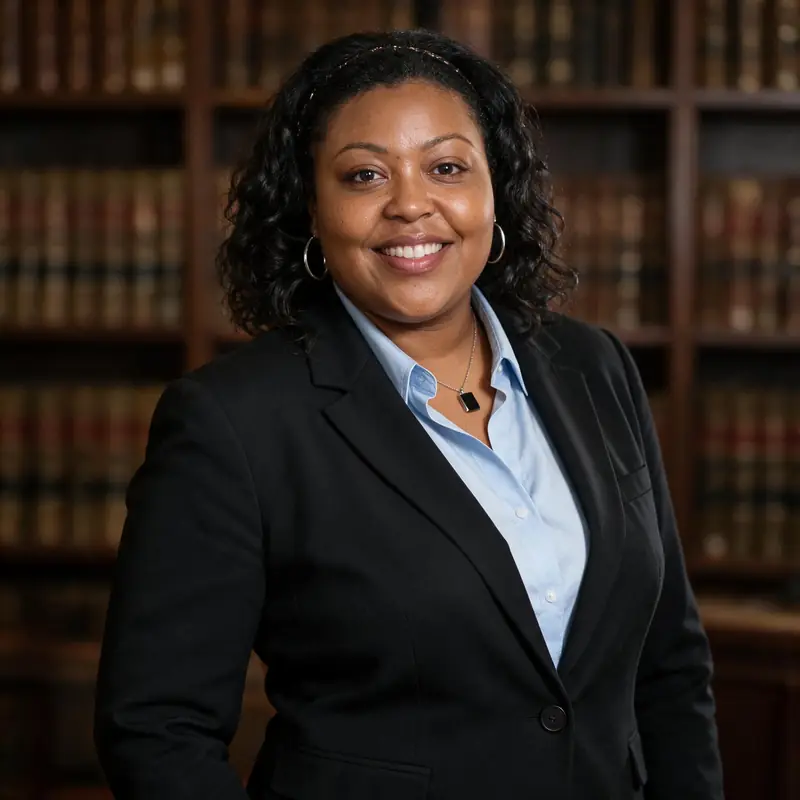
Homestead questions sit right where real estate law and estate planning meet. Attorney Pamela Y. Gordon grew up in Houston, has practiced in the Houston area for more than 12 years, and focuses on real estate law, complex title issues, and estate planning with an emphasis on trusts.
Call (713) 837-7875 for a free consultation, in English or Spanish, or contact the firm.
Sources
This article is general information about Texas law, not legal advice. Your facts may change the answer, so talk to a lawyer about your situation. Reading it or contacting the firm does not create an attorney-client relationship. Attorney advertising.
FAQ
Common Questions
Still have questions? Call for a free consultation.
Do I lose my homestead exemption if I put my house in a living trust?
Not if the trust is a qualifying trust and you meet the other requirements. Texas Tax Code Sec. 11.13(j) says a residence homestead can be owned through a beneficial interest in a qualifying trust and occupied by a trustor or beneficiary who qualifies for the exemption.
What is a trustor?
For this section, a trustor is a person who transfers an interest in real or personal property to a qualifying trust, whether during the person's lifetime or at death, or that person's spouse.
Does the deed into the trust have to be recorded?
Yes. To be a qualifying trust, the trust must acquire the property in an instrument of title or under a court order that describes the property with enough certainty to identify it and the interest acquired, and that is recorded in the real property records of the county where the property is located.
More articles
-

Becoming a Successor Trustee in Texas: Your Duties and a Beneficiary's Right to an Accounting
Named successor trustee of a Texas trust? You must act in good faith under its terms, and a beneficiary can demand an accounting. Here is what that means.
Read more -
Can You Change or Cancel a Living Trust in Texas?
In Texas a settlor may revoke a trust unless the document says it is irrevocable. Here is how changes work, what must be in writing and what a court can do.
Read more -
Living Trust or Will in Texas: What Each One Does and What Makes a Will Valid
A will needs probate before it can prove title. A living trust works while you are alive. Here is how each one works in Texas, and what a valid will requires.
Read more
Get In Touch
Ready to Get Started?
If this sounds like your situation, we can help.